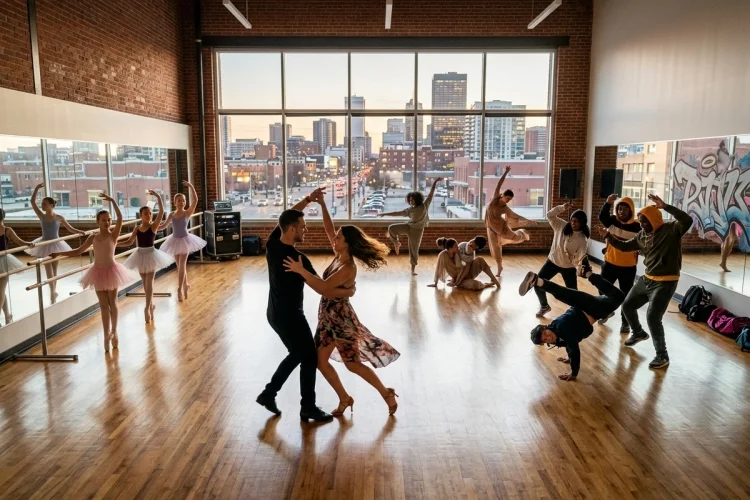
Dance is everywhere. You can find it on theatre stages, at weddings, in music videos, on city streets, during religious ceremonies, and even in your living room when a favourite song comes on.
However, with so many forms of movement around the world, understanding the different types can feel slightly overwhelming.
Learning about the major dance styles is not about deciding which one is the “best.” Each form has its own history, technique, musical relationship, and way of expressing ideas.
Ballet may focus on precise lines and controlled movement, while hip-hop encourages rhythm, individuality, and freestyle. Ballroom dance builds connection between partners, whereas contemporary dance often experiments with gravity, breath, and space.
This beginner-friendly guide introduces some of the most influential and widely recognised dance genres. Whether you want to join a class, improve your cultural knowledge, or simply understand what you are watching, these styles provide a useful starting point.
1. Ballet: Precision, Technique, and Storytelling
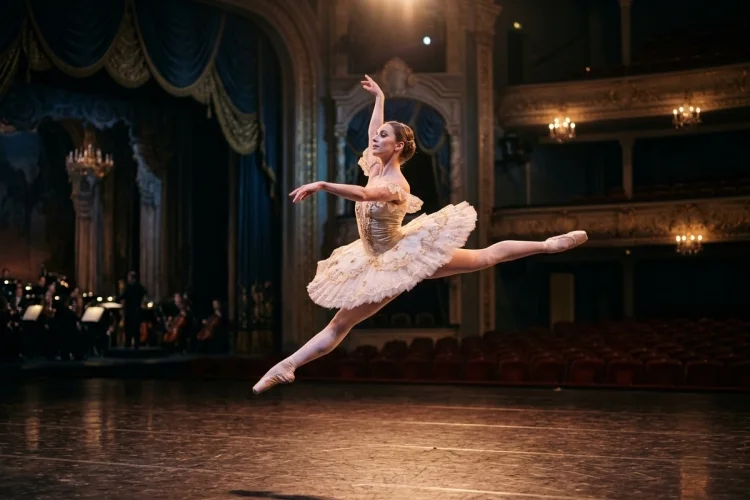
Ballet is one of the most recognisable classical dance forms. It uses a highly structured movement vocabulary that includes positions of the feet and arms, turns, jumps, extensions, and carefully controlled transitions.
Classical ballet often creates the impression of lightness and effortlessness. Behind that appearance, however, dancers develop strength, balance, flexibility, coordination, musicality, and detailed body awareness.
Well-known productions such as Swan Lake, The Nutcracker, and Giselle use choreography, music, costumes, and theatrical design to tell stories. Other ballet works may be abstract, focusing more on movement and musical structure than on a traditional plot.
Several training traditions have developed over ballet’s long history, and each may place slightly different emphasis on posture, movement quality, performance, and technique.
The Royal Ballet School describes classical ballet as both a theatrical art form and an evolving discipline that combines technical ability with artistry.
For beginners, ballet can create a strong technical foundation. It is especially useful for developing alignment, controlled weight transfer, and awareness of how the entire body works together.
2. Modern and Contemporary Dance: Freedom with Control
Modern dance developed partly as artists searched for alternatives to the formal rules and visual traditions of classical ballet.
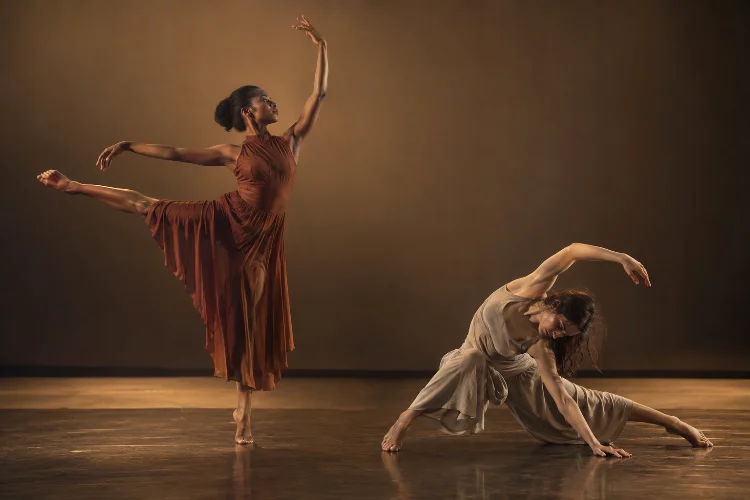
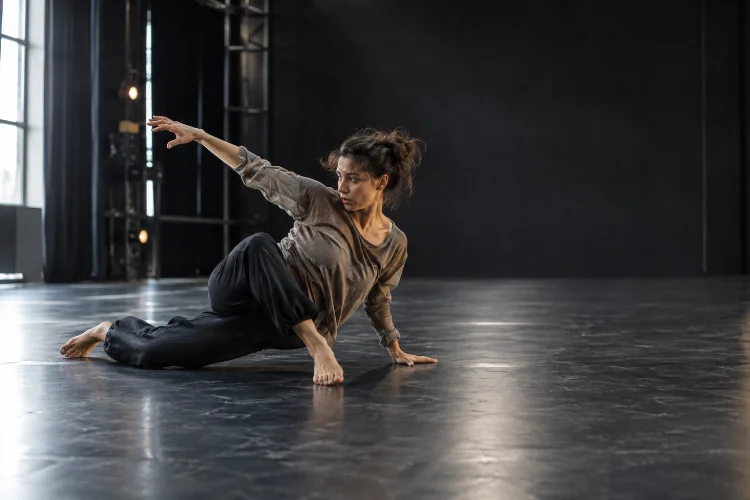
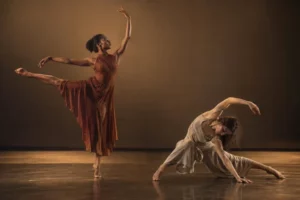
Instead of always creating lifted, upright shapes, modern dancers explored natural movement, gravity, grounded positions, breath, and emotional expression.
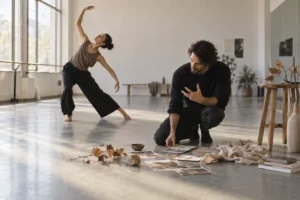
Contemporary dance is a broad and constantly changing category. It may combine elements of modern dance, ballet, improvisation, floor work, theatre, everyday gestures, and techniques from other movement traditions.
A contemporary routine might include fluid extensions followed by sudden falls, pauses, off-balance shapes, or movements close to the floor. Choreographers often use the style to explore identity, relationships, memory, social issues, and abstract ideas.
Modern and contemporary dance are not simply “anything goes.” Dancers still need coordination, strength, timing, spatial awareness, and technical control. The freedom comes from having a wide range of movement choices and using them intentionally.
Artists such as Martha Graham, Merce Cunningham, José Limón, Paul Taylor, Katherine Dunham, and Twyla Tharp helped expand the possibilities of modern and contemporary movement in the United States.
3. Jazz Dance: Energy, Rhythm, and Performance
Jazz dance is energetic, expressive, and strongly connected to musical rhythm. It can include sharp isolations, kicks, turns, jumps, grounded steps, syncopated timing, and dramatic changes in movement quality.
The genre has been shaped by African American dance traditions, social dancing, jazz music, popular entertainment, and theatrical performance. Over time, it has continued to evolve alongside changing music and stage culture.
Today, jazz dance appears in Broadway and West End musicals, concerts, competitions, television shows, and commercial choreography. Different classes may focus on theatrical jazz, lyrical jazz, technical jazz, or styles influenced by pop music.
Jazz dancers are often expected to perform movement with clarity and personality. Facial expression, confidence, musical interpretation, and stage presence can be just as important as clean technique.
For beginners, jazz is a good option when you enjoy upbeat music and expressive choreography. Some classes move quickly, so it helps to choose a clearly labelled beginner course that teaches basic turns, kicks, isolations, and travelling steps.
4. Hip-Hop and Street Dance: Groove, Culture, and Individuality
Hip-hop is more than a single dance technique. It is a wider cultural movement that includes music, DJing, emceeing, visual art, breaking, and other forms of creative expression.
Hip-hop culture emerged among Black and Latino communities in New York City during the 1970s. Dance became an important part of parties, battles, community gatherings, and personal expression before developing into a global cultural influence.
Styles commonly associated with hip-hop and street dance include breaking, popping, locking, party dances, house, and various freestyle traditions. These forms have different histories and should not all be treated as interchangeable.
Musicality is central. Dancers may respond to bass lines, drum patterns, lyrics, pauses, or small sounds hidden within a track. Freestyle also allows performers to make immediate creative choices rather than always following fixed choreography.
Many commercial classes use the label “hip-hop” for routines set to popular music, although the movement may mix several influences. Beginners should look for teachers who explain the foundations and cultural background, not only memorised combinations.
5. Ballroom and Latin Dance: Movement through Partnership
Ballroom dance centres on communication between partners. One person may guide the direction and timing while both dancers maintain rhythm, posture, balance, and awareness of each other.
Standard ballroom styles commonly include the waltz, tango, foxtrot, Viennese waltz, and quickstep. Latin and social partner dances may include cha-cha, rumba, samba, jive, salsa, and bachata, depending on the class or competition system.
These dances differ greatly in rhythm and character. The waltz is known for its flowing movement in triple time, while tango often uses sharper direction changes and a more grounded quality. Salsa typically features lively rhythms, turns, and repeating footwork patterns.
The Library of Congress documents the long development of Western social dance, including the rising popularity of the waltz during the nineteenth century.
UNESCO identifies tango as a cultural tradition developed in Buenos Aires and Montevideo through a mixture of cultural influences.
Partner dancing can improve timing, social confidence, coordination, and nonverbal communication. Beginners do not need to arrive with a partner at many social dance classes because participants often rotate during lessons.
6. Tap Dance: Making Music with the Feet
Tap dance combines movement and percussion. Dancers wear shoes fitted with metal plates that create sounds when they strike, brush, or slide across the floor.
Rather than simply moving to music, tap dancers become part of the music. They build rhythmic patterns using steps such as shuffles, flaps, ball changes, cramp rolls, and time steps.
Tap requires careful control because the sound reveals the timing of each movement. A step that looks correct may still need improvement when its rhythm is unclear or uneven.
The style includes both theatrical and rhythm-based approaches. Theatrical tap may use larger arm movements, formations, and stage presentation, while rhythm tap often places stronger emphasis on improvisation, complex musical phrasing, and lower-body percussion.
Tap has deep connections with African American artistic traditions, social exchange, popular theatre, and musical innovation. The National Endowment for the Arts recognises both tap and hip-hop as American forms shaped by rhythm, community, and creative development.
7. Traditional and Cultural Dance Forms
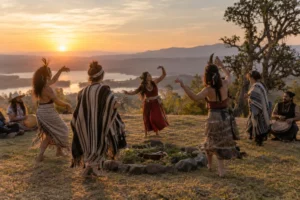
Dance is also a powerful way of preserving community identity. Traditional forms may communicate history, religious beliefs, social values, stories, and relationships with the natural world.
Flamenco, for example, brings together singing, dancing, and instrumental performance. Its movement may feature proud posture, expressive arms, hand gestures, rhythmic footwork, and intense communication between performers.
UNESCO describes flamenco as an artistic expression combining cante or song, baile or dance, and toque or musicianship.
Indian classical dance includes established traditions such as Bharatanatyam, Kathak, Odissi, Kathakali, Kuchipudi, Manipuri, Mohiniyattam, and Sattriya.
These forms use detailed movement systems that may combine rhythm, gesture, facial expression, storytelling, and spiritual or literary themes. India’s Sangeet Natak Akademi works to preserve and promote the country’s diverse dance heritage.
Other important traditions include Balinese dance, Irish dance, Japanese classical forms, West African dances, Polynesian traditions, Chinese classical and folk dance, and Indigenous ceremonial practices.
When learning a culturally specific dance, study more than the visible steps. Understanding its community, purpose, music, clothing, and history helps prevent a meaningful tradition from being reduced to a costume or trend.
How to Choose the Right Dance Style
Start with the music you naturally enjoy. Someone who loves orchestral music and precise technique may appreciate ballet, while a person drawn to freestyle and strong beats may prefer hip-hop or house.
Think about your goals as well. Ballroom or salsa can be ideal for social connection, jazz may suit performers who enjoy stage choreography, and contemporary dance can appeal to people interested in experimentation and emotional expression.
Try an introductory class before committing to a long programme. A good beginner class should feel challenging but understandable, with a teacher who explains technique, encourages questions, and respects different bodies and experience levels.
You are also allowed to explore more than one genre. Cross-training can expand your coordination, musicality, creativity, and understanding of how movement changes across cultures.
The major dance styles each offer a different way to experience movement. Ballet develops precision and control, contemporary dance explores creative possibilities, jazz combines technique with performance, and hip-hop celebrates rhythm and individuality.
Ballroom builds partnership, tap turns the feet into instruments, and traditional dances preserve cultural stories and identities. You do not need to understand every genre before starting.
Choose one style that matches your interests, find a beginner-friendly class, and allow yourself time to learn its foundations.
Better still, watch performances from several traditions and notice how each one uses rhythm, space, energy, and expression differently. Your next favourite dance style may be one you have never tried before.