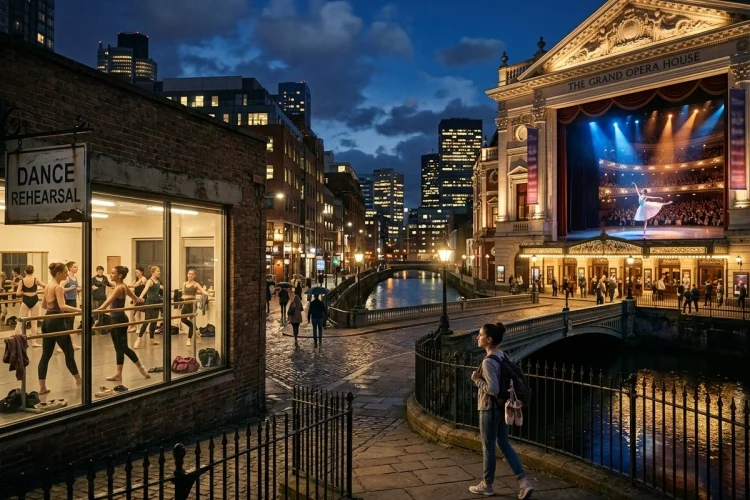
Becoming a professional dancer can look glamorous from the outside. Audiences see the finished performance-the dramatic lighting, beautiful costumes, and confident movement-but not the years of training, unsuccessful auditions, physical preparation, and temporary jobs behind it.
Learning how to become a professional dancer involves much more than mastering impressive turns or jumps. Professional dancers need reliable technique, musicality, performance skills, discipline, adaptability, and the ability to work well with choreographers and other performers.
The career path is rarely perfectly straight. Some dancers join companies, while others work in musical theatre, commercial productions, films, theme parks, cruise ships, music videos, or independent projects.
Many combine performing with teaching, choreography, fitness work, or other employment between contracts. The U.S. Bureau of Labor Statistics notes that dance work is often project-based and that many dancers hold additional jobs between roles.
The journey is demanding, but a practical plan can make it far less confusing.
Understand What Being a Professional Dancer Means
A professional dancer is someone paid to perform movement for an audience, camera, production, or organisation. The work may involve appearing onstage, touring, recording content, attending promotional events, or helping develop choreography.
Professional opportunities exist in many settings. Ballet and contemporary dancers may join established companies, while commercial performers can work in concerts, advertisements, television programmes, and music videos.
Other jobs appear in musical theatre, casinos, theme parks, internet productions, and special events. The daily routine is not limited to performing.
Dancers attend classes, rehearse, audition, condition their bodies, learn new material quickly, and manage travel or changing schedules.
It is also important to separate professional status from fame. A dancer does not need thousands of followers or a leading role to have a legitimate career. Consistent paid work, professional behaviour, and artistic contribution matter more than public recognition.
Build Strong and Versatile Dance Technique
Technique gives dancers enough physical control to perform choreography clearly and consistently. It includes alignment, balance, coordination, strength, flexibility, rhythm, weight transfer, and style-specific movement skills.
Choose a primary genre that matches your career goal. An aspiring ballet company dancer needs intensive classical training, while someone interested in commercial work may prioritise jazz, hip-hop, contemporary dance, and camera-based choreography.
Specialisation matters, but versatility can create more opportunities. A musical-theatre performer may need jazz, ballet, tap, acting, and singing skills. A contemporary dancer might benefit from improvisation, floor work, partnering, and basic ballet technique.
Training should also include musicality and artistry. The Royal Ballet School explains that its auditions consider musicality and artistic expression alongside technical ability, showing that employers and training institutions are not searching for technique alone.
Practise the basics consistently rather than chasing difficult tricks too early. Clean transitions, reliable timing, and the ability to take corrections often make a dancer more employable than one impressive skill performed inconsistently.
Develop Performance Skills and Professional Habits
Knowing choreography is not the same as performing it. Professional dancers must communicate an intention, respond to music, project energy, and remain convincing even when tired or nervous.
Practise performing during ordinary classes instead of waiting for the stage. Use clear eye focus, intentional dynamics, breath, and emotional commitment from the moment you begin learning a phrase.
Recording yourself can reveal whether your movement reads clearly. Watch the video once for technique and again for performance quality. Ask whether your timing, focus, and energy match the style of the choreography.
Professional habits matter just as much. Arrive early, know the material, wear appropriate clothing, listen carefully, and respond to corrections without becoming defensive.
Choreographers remember dancers who are dependable and pleasant to work with. A brilliant performer who repeatedly arrives late or creates tension in rehearsals may lose opportunities to someone slightly less experienced but far more reliable.
Learn How to Handle Auditions
Auditions are a normal part of professional dance, so learning how to manage them is an essential career skill. Depending on the job, you may attend an open call, receive an invitation, submit a self-tape, or take part in several selection rounds.
Research the company or production before auditioning. Watch its recent work, study the choreographers, and make sure your skills match the requested style.
Follow the instructions exactly. If an application asks for a particular photograph, video length, file format, or clothing choice, do not assume your own version will be accepted.
The Royal Ballet School’s audition process, for example, requires applicants to prepare requested photographs and video material according to specific guidelines.
Prepare the Whole Audition Experience
Warm up before you enter, but avoid exhausting yourself. Bring water, suitable shoes, extra clothing, identification, and any requested documents.
During the audition, stand where you can see without pushing other dancers aside. Learn the sequence quickly, remain aware of spacing, and continue confidently after small mistakes.
Casting decisions are not always based on who is technically “best.” A production may need a particular height, appearance, movement quality, personality, or balance within the existing cast.
Rejection is therefore not always a complete judgement of your ability. Review what you can improve, then move on without allowing one result to define your future.
Create a Strong Dance Portfolio
A professional dance portfolio usually includes a résumé, headshot, full-body photograph, performance footage, and showreel. The exact requirements depend on the genre and employer.
Your dance résumé should clearly present training, performance credits, special skills, contact information, and relevant measurements when requested. Keep the design simple enough for casting professionals to scan quickly.
A showreel should display your strongest work early. Include clear footage that shows your whole body, movement quality, musicality, and range rather than relying on dramatic editing that hides your technique.
Dance/USA maintains active listings for auditions, fellowships, internships, and professional jobs, and individual listings may request materials such as a résumé, dance video, or social media profile.
Maintain a professional online presence as well. Your social media does not need to be perfect, but casting teams should be able to find accurate contact details and examples of your work without searching through unrelated content.
Never post choreography, rehearsal footage, or backstage material when a contract or production has asked performers to keep it private.
Gain Experience and Build Professional Relationships
Your first professional opportunity may not be your dream role. Student productions, local theatre, trainee programmes, apprenticeships, internships, workshops, and independent projects can all provide useful experience.
These opportunities teach practical skills that classes cannot fully reproduce. You learn how rehearsals operate, how quickly choreography changes, how costumes affect movement, and how performers work with stage managers, technicians, and creative teams.
Assisting a choreographer can also be valuable. You may help demonstrate movement, take rehearsal notes, organise dancers, or clean spacing and timing.
Networking does not mean asking everyone you meet for a job. It means building genuine professional relationships by being prepared, respectful, curious, and supportive.
Attend performances, workshops, industry events, and open classes where appropriate. Stay in contact with teachers and collaborators without repeatedly demanding opportunities.
Job and audition platforms such as Dance/USA can help dancers identify current opportunities, but personal recommendations and previous working relationships often help professionals remain visible within the industry.
Protect Your Health and Plan for a Sustainable Career
Dance places significant physical demands on the body. Training more is not always the same as training better, especially when fatigue causes technique to break down.
A sustainable routine includes dance classes, strength and conditioning, appropriate recovery, nutrition, sleep, and gradual increases in workload.
IADMS resources emphasise that dancer health, physical preparation, body awareness, and recovery contribute to improved performance and reduced fatigue.
Do not treat persistent pain as a normal requirement of professional commitment. Seek help from an appropriately qualified healthcare professional, ideally one who understands dancers, when pain or instability continues.
Mental resilience is also important. Auditions, comparison, uncertainty, and criticism can affect confidence. Develop relationships and interests outside auditions so that one disappointing result does not feel like the end of your identity.
Financial planning matters too. Contracts may be short, and income can change throughout the year. The Bureau of Labor Statistics notes that many dancers and choreographers take additional work between professional engagements.
Teaching, choreography, fitness qualifications, administrative skills, or digital media experience can provide extra income. These are not signs that you have failed as a performer; they can make your overall career more stable.
Create a Practical Career Plan
Start by writing down the type of work you want. “Professional dancer” is broad, so decide whether you are aiming for ballet companies, commercial productions, musical theatre, contemporary projects, cruise work, or another field.
Research the normal training level and audition process for that area. Compare your current abilities with the expectations shown in professional performances and real audition notices.
Set goals that you can measure. Instead of writing “get better at dance,” choose targets such as attending three technique classes per week, creating a showreel, improving tap vocabulary, or applying for five suitable auditions.
Review your plan every few months. You may discover that your interests change or that you enjoy choreography, teaching, or production work alongside performing.
The Bureau of Labor Statistics projects employment for dancers and choreographers to grow by around 5% between 2024 and 2034, with approximately 2,500 openings per year on average in the United States.
Competition remains strong, so consistent preparation and career flexibility are valuable.
Becoming a professional dancer requires technical training, artistic development, audition experience, professional materials, healthy habits, and realistic career planning.
Talent can help, but consistency, adaptability, and reliability often determine who continues building opportunities. Start by defining the kind of dance work you want and identifying the gap between your current level and professional expectations.
Take appropriate classes, practise performance skills, create a simple portfolio, and gain experience through smaller projects. Protect your body and develop additional abilities that can support you between contracts.
The path may include rejection and unexpected changes, but every class, audition, and collaboration can move you closer to a sustainable career in dance.