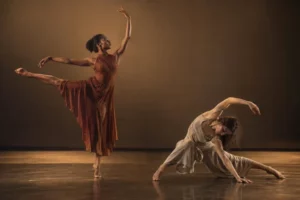
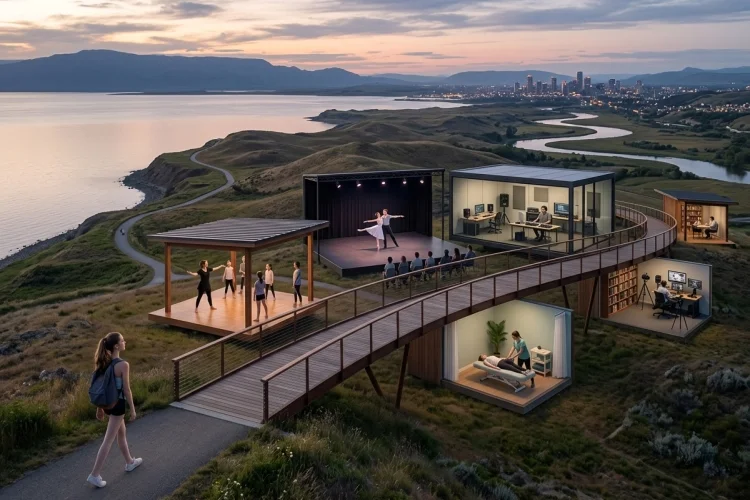
A career in dance does not always mean performing onstage every night. Professional dancers are highly visible, but they are only one part of a much larger industry that also needs teachers, choreographers, producers, therapists, administrators, researchers, writers, and digital creators.
Understanding what careers are available in dance can help you plan beyond a single dream job.
Some people build full-time careers in one role, while others combine teaching, performing, freelance choreography, and creative projects. This flexible approach is common because dance work can be seasonal, project-based, or part-time.
The United States Bureau of Labor Statistics projects overall employment for dancers and choreographers to grow by 5% between 2024 and 2034. It also estimates around 2,500 openings per year, although competition for individual roles can remain strong.
Whether you love performing, explaining movement, organising events, or studying the body, there may be a dance career that matches your strengths.
Professional Dancer
Performing is the career most people first associate with dance. Professional dancers may work in ballet or contemporary companies, musical theatre, touring shows, cruise ships, theme parks, commercial productions, television, films, music videos, or live events.
The daily reality involves more than appearing onstage. Dancers audition, attend classes, learn choreography, rehearse for hours, maintain their physical conditioning, and participate in promotional activities.
Some performers have long-term company contracts, while others work one project at a time. Freelancers may move between stage productions, corporate events, teaching jobs, and commercial bookings.
The BLS reports that dancers also perform in casinos, theme parks, internet videos, and music videos. It notes that many dancers and choreographers hold additional jobs between roles, making adaptability and basic financial planning especially important.
Strong technique helps, but employers also look for musicality, professionalism, reliability, versatility, and the ability to learn material quickly.
Choreographer and Movement Director
Choreographers create and arrange movement for dancers and performers. They may work in theatre, dance companies, concerts, competitions, television, films, advertising, fashion, or music videos.
The role includes much more than inventing steps. Choreographers select or interpret music, develop movement ideas, lead rehearsals, audition performers, and collaborate with costume, lighting, sound, and production teams.
A movement director performs a related role, particularly in theatre and screen work. Instead of creating a complete dance routine, they may help actors develop physical behaviour, crowd movement, gestures, or the movement language of a particular character.
Most choreographers begin as dancers and build experience through performance, teaching, assisting, and creating small projects. The BLS notes that choreographers may also help with administrative work such as budgeting, especially within smaller organisations.
Beginners can start by creating short pieces, filming their work, assisting experienced choreographers, and developing a portfolio that shows different styles and settings.
Dance Teacher and Dance Educator
Teaching offers one of the broadest dance career paths. Instructors may work in private studios, schools, community programmes, universities, fitness centres, arts organisations, or through online classes.
Studio teachers often specialise in genres such as ballet, jazz, contemporary, tap, hip-hop, ballroom, or traditional dance.
Their responsibilities may include planning lessons, selecting music, giving technical corrections, preparing students for performances, and communicating with parents.
School-based dance educators usually need qualifications that meet local teaching requirements. They may teach technique alongside choreography, dance history, cultural studies, performance analysis, and creative movement.
The National Dance Education Organization explains that dance appears in elementary, middle, and high schools through core classes, electives, specialist arts programmes, and extracurricular activities.
School teaching can offer a more structured environment than freelance studio work, although certification rules vary by country and region.
College teaching commonly requires an advanced degree and professional experience. University lecturers may combine teaching with choreography, performance, academic research, and programme administration.
Dance Production and Arts Administration
A performance cannot happen through dancers and choreographers alone. Dance companies and festivals need people who can organise schedules, manage budgets, promote events, raise funds, and coordinate venues.
Possible roles include company manager, producer, rehearsal director, tour manager, stage manager, programme coordinator, marketing officer, development manager, and executive director.
Producers oversee both creative and business decisions. They may approve budgets, coordinate teams, monitor schedules, and ensure that a production reaches the stage or screen successfully.
The BLS projects employment for producers and directors to grow by 5% from 2024 to 2034, although opportunities in theatre can depend heavily on available funding.
Arts administration can suit dancers who enjoy organisation and communication as much as movement. Knowledge of the dance world helps administrators understand rehearsal needs, artist relationships, touring schedules, and production pressures.
Internships can provide a useful entry point. NDEO, for example, describes internship areas including marketing, administration, conference planning, online learning design, and nonprofit leadership.
Dance Medicine, Fitness, and Body Conditioning
Dancers with an interest in anatomy and health can explore careers in conditioning, fitness instruction, physiotherapy, athletic training, nutrition, or dance medicine.
These roles require different levels of education. A dance-fitness instructor may need a recognised fitness qualification, first-aid training, and certification in a particular programme.
Physical therapists, sports dietitians, and other clinical professionals need formal degrees, licences, or professional registration. Fitness instructors lead and adapt exercise sessions, monitor technique, and help participants work toward physical goals.
The BLS projects employment for fitness trainers and group instructors to grow by 12% from 2024 to 2034, which is faster than the average for all occupations.
A background in dance can be valuable because it develops movement observation, musical awareness, and experience working with different bodies. However, dance experience alone does not qualify someone to diagnose injuries or provide medical treatment.
Other possible specialisms include Pilates instruction, strength and conditioning for performers, somatic education, and return-to-dance coaching conducted within the professional’s legal scope of practice.
Dance/Movement Therapist
Dance/movement therapy uses movement within a professional therapeutic relationship. It is not the same as teaching an expressive dance class or using dancing as a general wellness activity.
Dance/movement therapists may work in schools, hospitals, rehabilitation centres, psychiatric facilities, nursing homes, crisis centres, and addiction-treatment settings. They use movement for observation, assessment, therapeutic interaction, and treatment planning.
This path requires specialised graduate-level training. In the United States, the American Dance Therapy Association states that entry to the Registered Dance/Movement Therapist credential requires a master’s degree and either an approved graduate programme or an eligible alternate training route.
Requirements differ internationally, so prospective students should check the professional regulations where they intend to practise. A background in psychology, anatomy, teaching, improvisation, and several dance styles can provide useful preparation.
Dance Writer, Researcher, and Archivist
Not every dance career centres on performing or teaching. Writers and researchers document the art form, analyse its history, review performances, investigate teaching methods, and study topics such as injury prevention, culture, choreography, and audience response.
Dance writers may produce journalism, programme notes, educational resources, website content, interviews, or academic publications. Researchers often work through universities, cultural institutions, health organisations, or independent projects.
Archivists preserve recordings, photographs, costumes, documents, choreographic notes, and oral histories. Their work helps prevent important performances and cultural knowledge from disappearing.
Archivist and curator positions commonly require specialised higher education. The BLS notes that archivists and curators typically need a relevant master’s degree, while internships or volunteer experience can help candidates enter the field.
This path may appeal to people who love dance but are equally interested in history, writing, technology, or preservation.
Digital Media and Dance Entrepreneurship
Online platforms have created new ways to build a dance career. Dancers can produce tutorials, performance films, educational courses, social media content, livestream classes, or choreography made specifically for the camera.
Possible roles include dance videographer, video editor, content creator, online instructor, social media manager, photographer, and creative director.
Digital creators still need strong dance knowledge, but they also benefit from skills in filming, editing, branding, copyright, and audience development.
Some professionals open studios, manage agencies, produce competitions, sell educational resources, or run community dance programmes. Entrepreneurship can offer creative control, but it also involves pricing, contracts, taxes, marketing, customer service, and financial risk.
Social media may help performers and choreographers reach wider audiences, and the BLS identifies online platforms as one factor that may generate interest in dance performances.
A large following is not the only measure of success. A smaller, clearly defined audience may support workshops, memberships, local classes, or specialised online programmes more sustainably.
How to Choose a Dance Career Path
Begin by identifying which part of dance gives you the most energy. Do you enjoy performing, explaining technique, creating movement, studying anatomy, writing, or organising projects?
Next, research the qualifications required. A performer may rely mainly on training, audition experience, and a strong portfolio, while a schoolteacher, therapist, physiotherapist, or academic researcher may need specific degrees and licences.
NDEO lists higher-education pathways in performance, choreography, dance education, and dance science, with graduates progressing into teaching, administration, research, therapy, writing, and health-related specialisms.
Gain practical experience early through student productions, internships, volunteering, assisting teachers, or creating independent projects. These experiences help you discover whether you enjoy the daily reality of a role-not only its public image.
It is also sensible to develop transferable skills. Communication, budgeting, video editing, marketing, project management, and first aid can make a dance professional more adaptable.
Dance offers far more careers than performing alone. Professional dancers and choreographers remain central to the field, but teachers, producers, administrators, therapists, fitness specialists, researchers, archivists, writers, and digital creators also keep the industry moving.
There is no single correct route. Many people build portfolio careers that combine several roles as their interests, experience, and physical needs change. Start by exploring the work that happens behind your favourite performances.
Take a class, assist on a project, speak with professionals, or apply for a relevant internship. The more areas you experience, the easier it becomes to build a dance career that matches both your creativity and practical strengths.