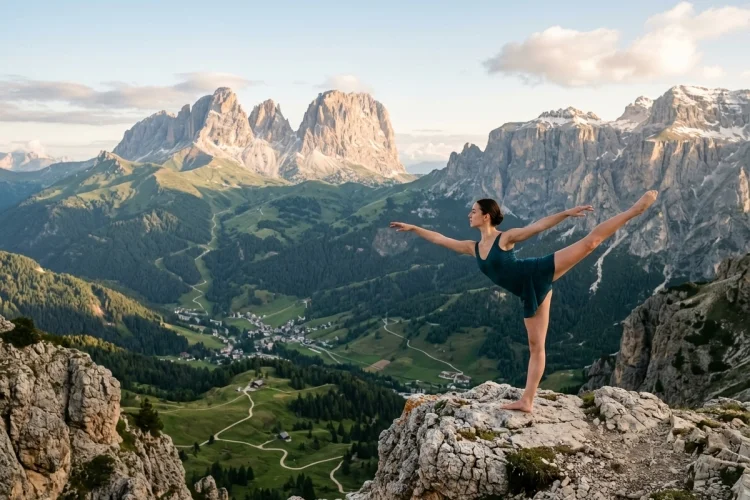
A dancer can know every step in a routine and still look uncomfortable performing it. Another dancer may use only a few simple movements yet appear balanced, musical, and completely in control. The difference often comes down to dance technique.
So, what is dance technique? In simple terms, it is the collection of physical skills and movement principles that helps someone perform a particular dance style clearly, efficiently, and safely. It includes much more than pointing the feet or standing tall.
Technique also covers alignment, coordination, balance, timing, weight transfer, breath, strength, and control. For beginners, the word can sound strict or overly professional.
However, technique is not reserved for ballet schools or stage performers. Whether you are learning hip-hop grooves, contemporary floor work, salsa steps, jazz turns, or traditional dance, it gives you a dependable foundation.
Good technique makes movement easier to understand and more comfortable to practise. It can also give you greater freedom to add personality, musicality, and emotion to your performance.
What Does Dance Technique Actually Mean?
The National Core Arts Standards defines dance techniques as the tools and skills required to produce a particular style of movement. It also describes technical dance skills as physical proficiency within a dance form, including coordination, strength, speed, range, and movement quality.
Technique is therefore both general and style-specific. Most dancers need balance, timing, coordination, and body awareness, but they use those abilities differently.
A ballet dancer may focus on turnout, placement, and elongated lines. A hip-hop dancer may concentrate on grounded grooves, isolations, bounce, texture, and rhythmic precision.
Dance technique is not one universal rulebook. It is a movement system that prepares the body to meet the physical and visual demands of a chosen genre.
The Main Building Blocks of Good Technique
Strong dance technique begins with how the body organises itself. Important movement principles include dynamic alignment, breath support, core support, rotation, movement sequencing, and weight transfer.
1. Alignment and Posture
Alignment describes how different body parts relate to one another while standing or moving. It does not mean holding the body in one supposedly perfect position.
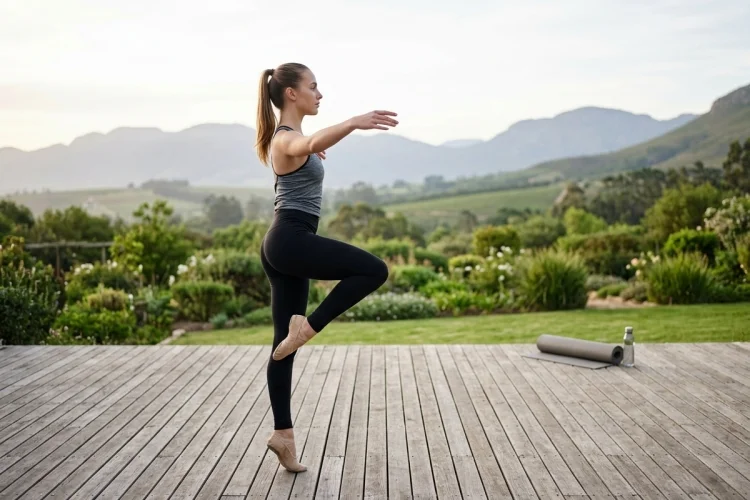
Instead, dancers continually adjust their posture to manage movement and balance efficiently. During a landing, for example, the feet, knees, hips, and torso need to work together.
During a turn, the supporting leg, centre, arms, head, and visual focus must coordinate. When these elements work separately, the turn can feel unstable or require unnecessary effort.
2. Balance and Weight Transfer
Almost every dance step involves transferring body weight. Beginners often copy the visible shape of a movement without fully shifting onto the correct foot.
This makes the next step feel rushed or awkward. Practising slow weight transfers can therefore make fast choreography much easier.
Once dancers understand where their weight is going, their transitions become smoother. They also waste less energy trying to correct unstable positions.
Technique Creates Clarity and Control
Good technique makes movement easier to read. It helps a dancer complete shapes, control transitions, maintain rhythm, and perform a sequence consistently.
Imagine two people performing the same side step. One transfers their weight fully, bends with the beat, and allows the upper body to respond naturally. The other keeps their weight between both feet and hurries to catch up.
The basic choreography is the same, but the first version looks clearer and more confident.
Control does not mean every movement must be neat or rigid. Contemporary dance, street styles, and experimental choreography may intentionally use looseness, asymmetry, distortion, or off-balance positions.
Technique allows dancers to make those choices deliberately. Without control, an expressive movement may simply look unfinished or accidental.
Technique Supports Expression and Musicality
Some beginners worry that technical training will make their dancing robotic. In practice, reliable movement skills usually create more expressive freedom.
When basic footwork and patterns become familiar, dancers no longer spend all their attention remembering what comes next. They can listen more closely to the music, change their energy, use facial expression, and communicate the mood of the choreography.
Technique also supports musicality-the ability to connect movement with rhythm, melody, texture, accents, and silence. A dancer might hit a sharp beat, stretch a gesture across a long note, or pause before an accent to create tension.
The goal is not to choose between technical skill and emotion. Technique gives emotional expression a clearer physical form.
It is similar to learning a musical instrument. A guitarist practises chords and finger placement so that they can eventually focus on interpretation. Dancers practise physical foundations for the same reason.
Why Dance Technique Matters for Safety
Technique can help dancers manage physical forces more efficiently, although it cannot prevent every injury. Joint alignment, controlled landings, appropriate muscle activation, and gradual progression become especially important when movements are repeated frequently.
The International Association for Dance Medicine & Science explains that forcing ballet turnout from the feet and ankles, rather than using the available rotation at the hips, can create faulty alignment and poor muscle recruitment.
This is a useful reminder that copying an ideal shape should never come before respecting individual anatomy. Every dancer has a different combination of joint structure, flexibility, strength, and physical experience.
Preparation matters as well. A dance-specific warm-up gradually prepares the cardiovascular, muscular, and nervous systems for class, rehearsal, or performance. An effective warm-up should reflect the activity ahead rather than consist only of passive stretches.
Physical conditioning can support technique too. A 2024 systematic review and meta-analysis found that additional strength and conditioning improved lower-body power, upper- and lower-body strength, and flexibility among dancers.
Technique Changes Across Dance Styles
A skilled performer in one genre may feel like a complete beginner in another. This happens because every dance style has its own posture, rhythm, movement vocabulary, energy, and cultural context.
Ballet commonly values vertical alignment, turnout, defined positions, precise lines, and controlled landings. Contemporary dance may use breath, floor work, release, suspension, and changing relationships with gravity.
Jazz often emphasises isolations, clean lines, turns, kicks, and dynamic musical accents. Salsa technique includes timing, foot placement, weight transfer, partner connection, and awareness of shared movement.
Hip-hop foundations may involve bounce, rock, grooves, isolations, and a deeper understanding of how movement connects with the music and culture.
National dance terminology also recognises that genres such as ballet, jazz, modern, tap, hip-hop, and culturally specific forms have their own technical vocabularies.
Instead of copying only the appearance of a step, ask what it should feel like, where it begins, and why it belongs to that particular style.
How Beginners Can Improve Dance Technique
Improvement comes from focused repetition, not simply running an entire routine at full speed. Choose one skill, such as a weight shift, groove, turn preparation, or landing, and practise slowly enough to notice what your body is doing.
Use a mirror or short video recording for feedback, but consider more than appearance. Notice whether you are holding your breath, losing the beat, gripping unnecessary muscles, or feeling uncomfortable pressure in a joint.
Avoid chasing difficult tricks before developing control. A high kick or multiple turn is not very useful when you cannot return to balance.
You should also avoid forcing your body to copy another dancer’s flexibility or range. Bodies differ, and a safe position for one person may not be appropriate for someone else.
A qualified teacher can provide corrections suited to your experience and anatomy. Apply one or two corrections at a time instead of trying to fix everything during a single session.
Consistency is more valuable than occasional marathon practices. Ten focused minutes spent improving foot placement, balance, or rhythm can be more productive than an hour spent repeating the same mistake.
Dance technique is the foundation that makes movement controlled, clear, expressive, and appropriate to a particular style. It develops through alignment, balance, coordination, strength, timing, weight transfer, and thoughtful repetition.
Good technique is not about making every dancer look identical. It gives people the tools to move with greater confidence while respecting their bodies and the traditions behind the movement.
Start with the basics, practise slowly, welcome useful feedback, and focus on progress rather than perfection.
During your next practice session, choose one technical skill and explore it with your full attention. Small improvements, repeated consistently, can completely transform the way you dance.