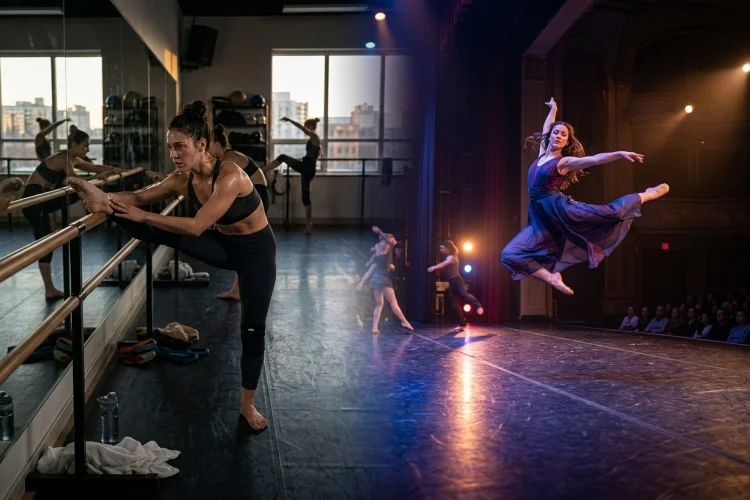
Have you ever heard a song and started tapping your foot before you even noticed? That small, automatic response is already close to the heart of dance. You do not need a stage, a costume, or years of training to move with rhythm.
Dance begins whenever the body uses movement to communicate, explore an idea, connect with music, or simply enjoy the moment.
So, what is dance in its simplest form? Dance is an art of purposeful movement shaped by elements such as space, time, energy, and the body itself.
It can be carefully choreographed or completely improvised. It may tell a story, express an emotion, celebrate a tradition, support physical fitness, or bring people together.
For beginners, dance can sometimes look intimidating because skilled performers make complex movement appear effortless. However, every dancer starts with basic steps, uncertain timing, and plenty of repetition.
This guide explains how dance works, why people dance, the main styles you may encounter, and how to begin without worrying about being “naturally talented.”
What Is Dance, Exactly?
Dance is an organised or spontaneous form of body movement with intention. That intention may be artistic, social, cultural, spiritual, recreational, or physical.
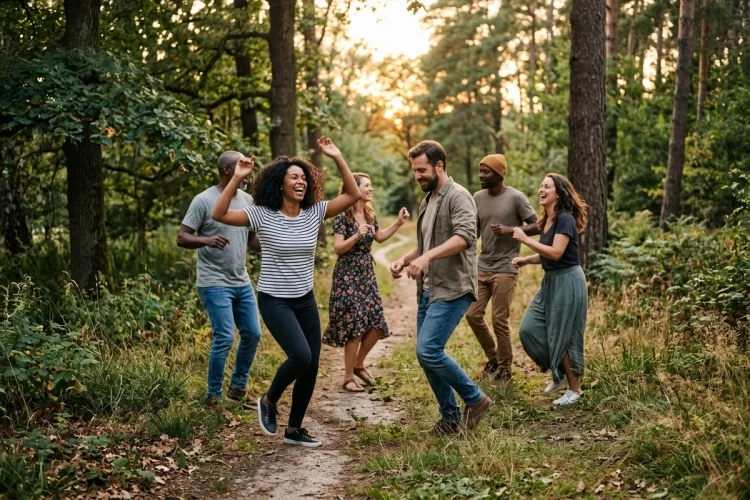
Some dances use fixed choreography, meaning the movements are planned in a particular order. Others, such as freestyle hip-hop or casual social dancing, allow people to respond to music in real time.
Music is common, but it is not essential. A dancer can move to silence, spoken words, breathing, or environmental sounds. What turns movement into dance is the purposeful use of timing, shape, energy, and expression.
The Core Elements of Dance
Dance educators commonly describe movement through body, action, space, time, and energy. These elements show that dancing is not only about remembering steps; it is also about how those steps are performed.
1. Body and Action
The body is the dancer’s instrument. Actions can include walking, turning, bending, jumping, reaching, shaking, sliding, or holding still. Even an ordinary walk can become expressive when you change the posture, direction, or intention.
A confident walk, for example, may use an upright posture, direct pathway, and strong steps. A nervous walk could use smaller movements, changing directions, and hesitant pauses.
2. Space and Time
Space describes where movement happens. Dancers may travel forward, backward, sideways, diagonally, or in circles. They can also move at high, middle, or low levels.
Time includes beat, rhythm, tempo, duration, accents, and pauses. The same movement can feel peaceful when performed slowly or urgent when performed quickly.
For beginners, staying with a steady beat is often more important than copying every detail. Good timing can make even a simple step look controlled and intentional.
3. Energy
Energy is the quality behind a movement. A step may be sharp or smooth, heavy or light, controlled or free. This quality often communicates emotion more clearly than the step itself.
Imagine slowly lifting your arm as though it were floating through water. Now perform the same pathway with a fast, forceful action. The shape is similar, but the emotional effect is completely different.
Why Do People Dance?
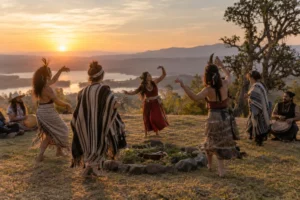
People dance to celebrate, worship, tell stories, exercise, socialise, compete, and express feelings. Traditional dances can carry a community’s history, values, beliefs, and identity across generations.
UNESCO recognises dance as an important part of the performing arts and intangible cultural heritage. Many dance traditions are closely connected to ceremonies, festivals, spiritual practices, and community life.
Dance can also become a personal language. Joy may appear through open, bouncing movement, while sadness may be expressed through slow, weighted gestures. Choreographers frequently use movement to explore personal experiences, cultural identity, or social issues.
There is also a strong social element. Partner and group dancing requires shared timing, cooperation, awareness, and trust. Moving together can create a sense of connection, even when the dancers do not speak the same language.
Popular Dance Styles for Beginners
There is no single best dance style. The right starting point depends on your music taste, goals, personality, physical abilities, and preferred way of learning.
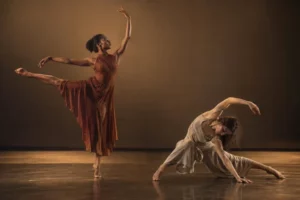
Ballet develops alignment, posture, control, flexibility, and clearly defined technique. Contemporary dance often combines technical movement with floor work, improvisation, and emotional storytelling.
Hip-hop focuses on rhythm, grooves, isolations, freestyle, and styles influenced by street and club cultures. It can be a good choice for beginners who enjoy energetic music and expressive movement.
Jazz dance is lively and commonly seen in musical theatre, concerts, and commercial performances. Salsa, bachata, ballroom, and swing place more emphasis on partner connection, footwork, and musical timing.
Folk and traditional dance forms reflect the histories and customs of particular communities. Meanwhile, dance-fitness classes use accessible, repeated combinations to keep participants moving.
The easiest style to continue is usually the one whose music naturally makes you want to move.
How Dance Benefits the Body and Mind
Dance combines physical activity with balance, coordination, memory, timing, creativity, and emotional expression. Regular practice may support cardiovascular fitness, muscular endurance, flexibility, posture, and body awareness.
The World Health Organization explains that regular physical activity can support mental health, quality of life, physical fitness, and the prevention or management of several noncommunicable diseases. Dance can be one enjoyable way to become more physically active.
A systematic review covering 28 studies and 1,276 participants found that dance interventions produced improvements in areas such as body composition, blood biomarkers, and musculoskeletal function.
Dance may also offer psychological and cognitive benefits. A 2024 systematic review found preliminary evidence that dance could support motivation, aspects of memory, social cognition, and reduced distress, although results varied between studies.
Beyond the research, dance can simply make exercise more enjoyable. Enjoyment matters because a manageable routine practised consistently is usually more sustainable than an intense workout you dislike.
How to Start Dancing as a Complete Beginner
Choose music with a clear, steady beat. Begin by shifting your weight from one foot to the other. Once that feels comfortable, add a side step, a gentle bounce, or a simple arm movement.
Practise for around 10 to 20 minutes so you finish feeling curious rather than exhausted. Short sessions also give your brain and body time to process new movement patterns.
When using an online dance tutorial, slow the playback speed and learn a few counts at a time. Many routines are taught in sets of eight counts, although the structure may differ depending on the music and dance style.
Focus on staying with the beat before copying every small detail. Two relaxed steps performed rhythmically usually look better than a difficult sequence performed with tension.
You can record yourself occasionally to check your timing, posture, and direction. The purpose is not to judge your appearance but to compare what you feel with what your body is actually doing.
Always warm up gradually, wear comfortable clothing, and use a clear, safe surface. Stop dancing if you experience sharp pain, dizziness, or unusual discomfort.
Most importantly, avoid comparing your first week with someone else’s tenth year. Missing the beat and forgetting steps are normal parts of learning. Repeat difficult sections slowly, simplify them when necessary, and gradually rebuild the speed.
Dance is the meeting point between movement and meaning. It can be an art form, a workout, a cultural tradition, a social activity, or a personal way to express emotions. Its basic tools are already available to everyone: the body, space, timing, energy, and imagination.
For a beginner, the goal is not to look perfect immediately. The real goal is to become more comfortable listening, moving, experimenting, and learning. Start with one song, one simple step, and a few minutes of focused practice.
As your rhythm and confidence grow, explore a class, try a new dance style, or create movements of your own. Press play, give yourself permission to feel awkward, and let your body discover what it wants to say.